 Before
 After
After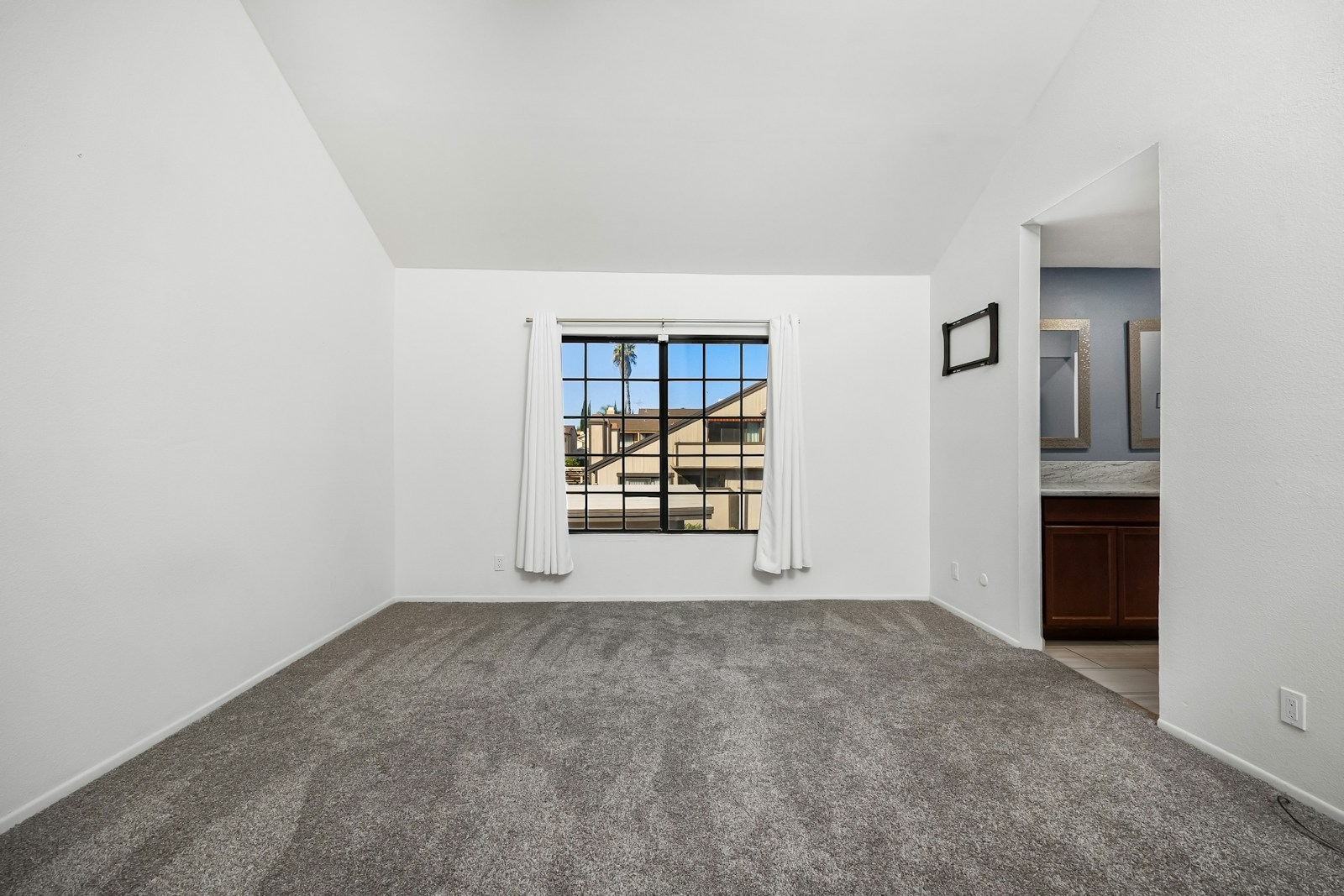 Before
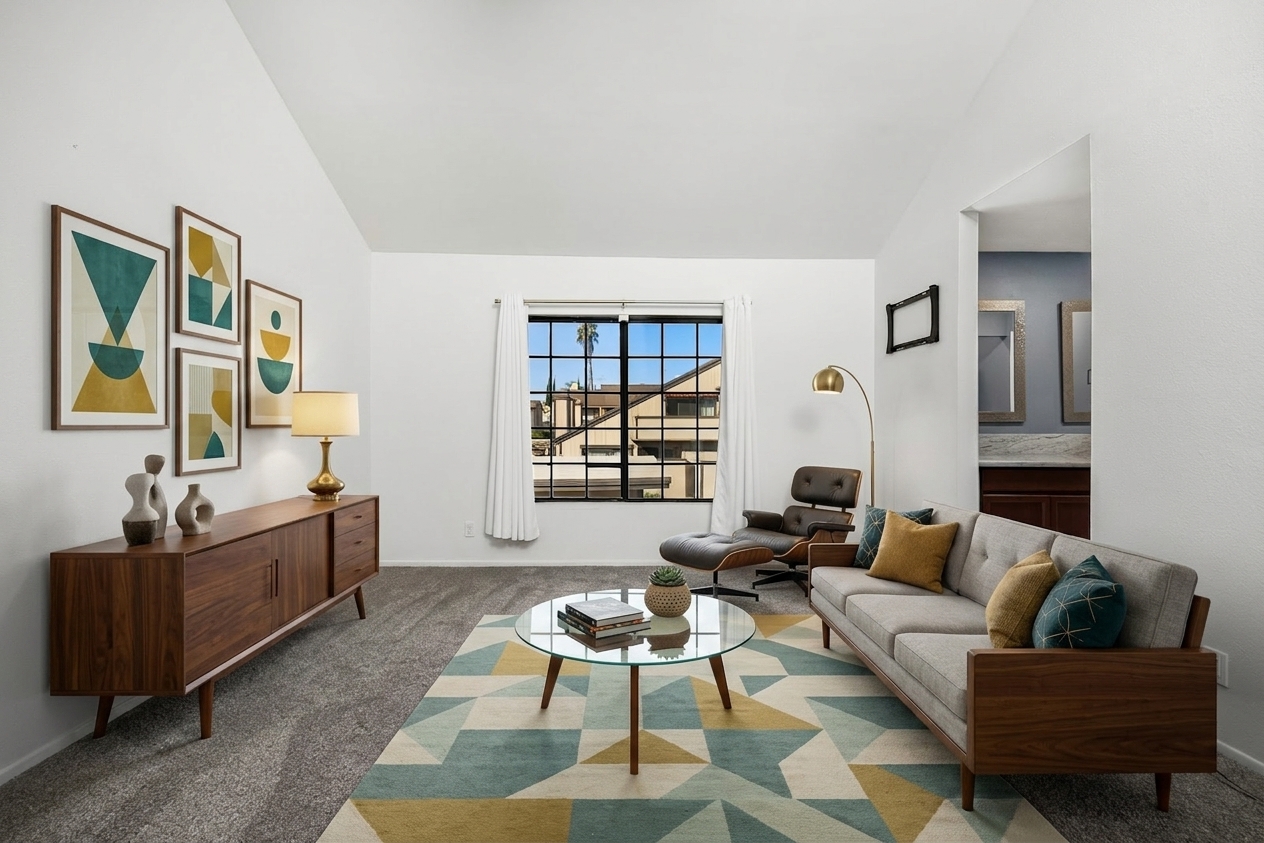 After
After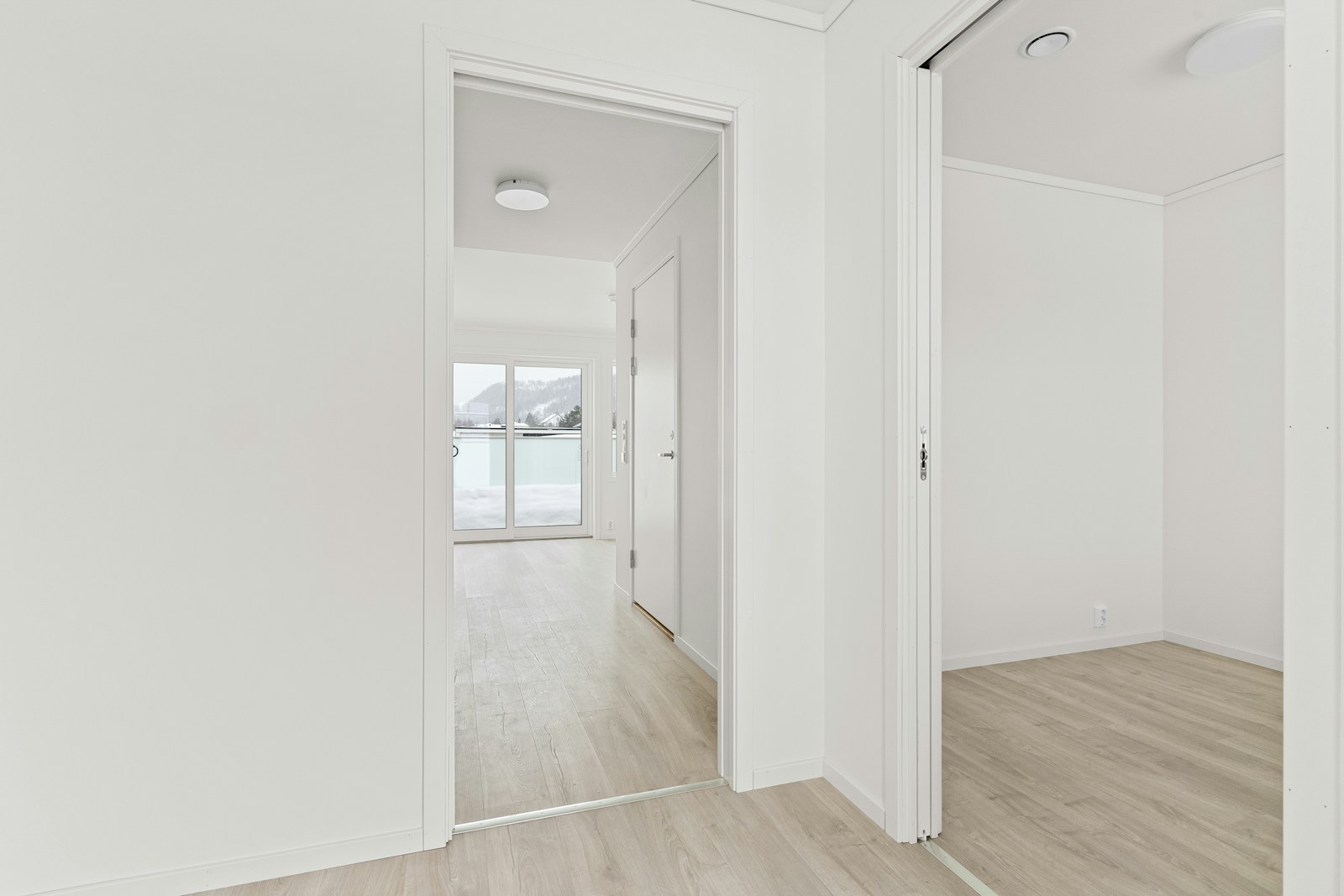 Before
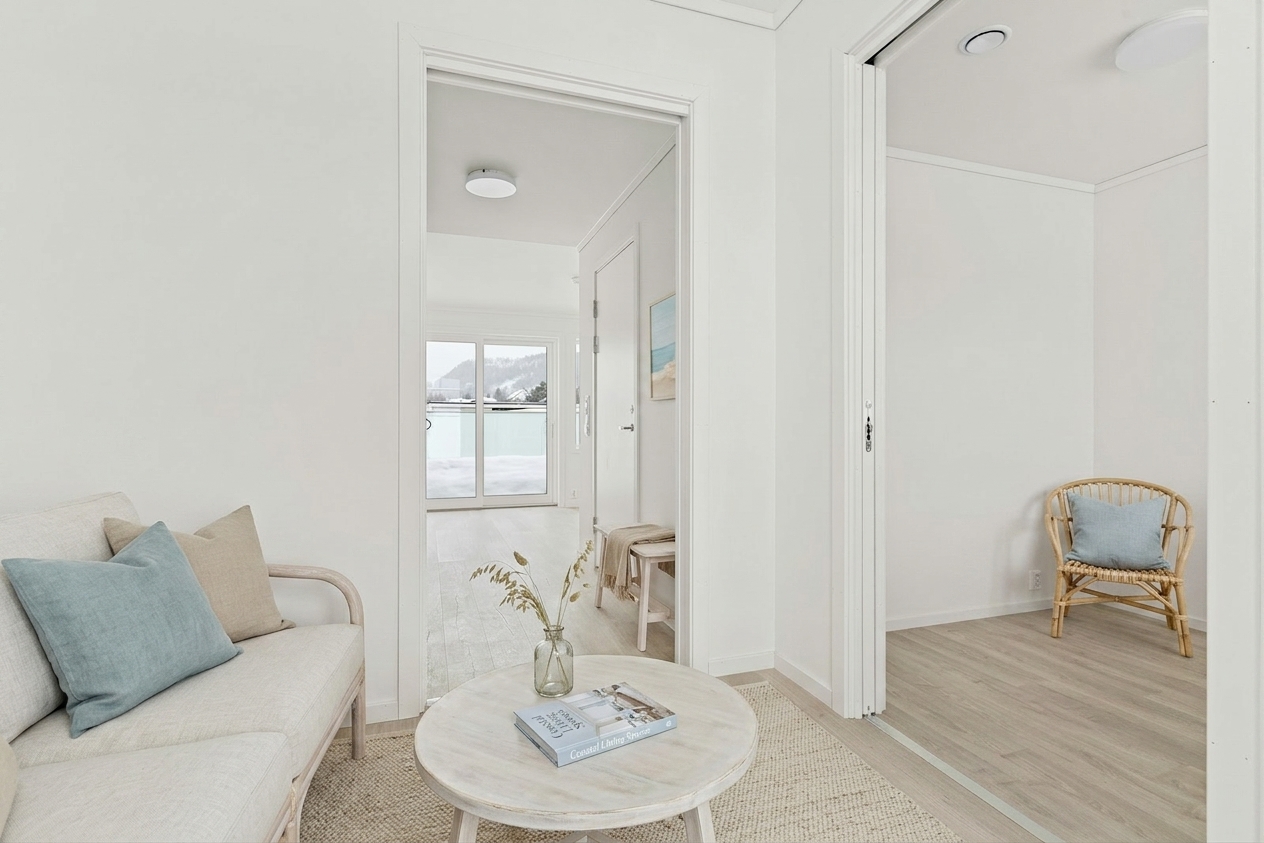 After
After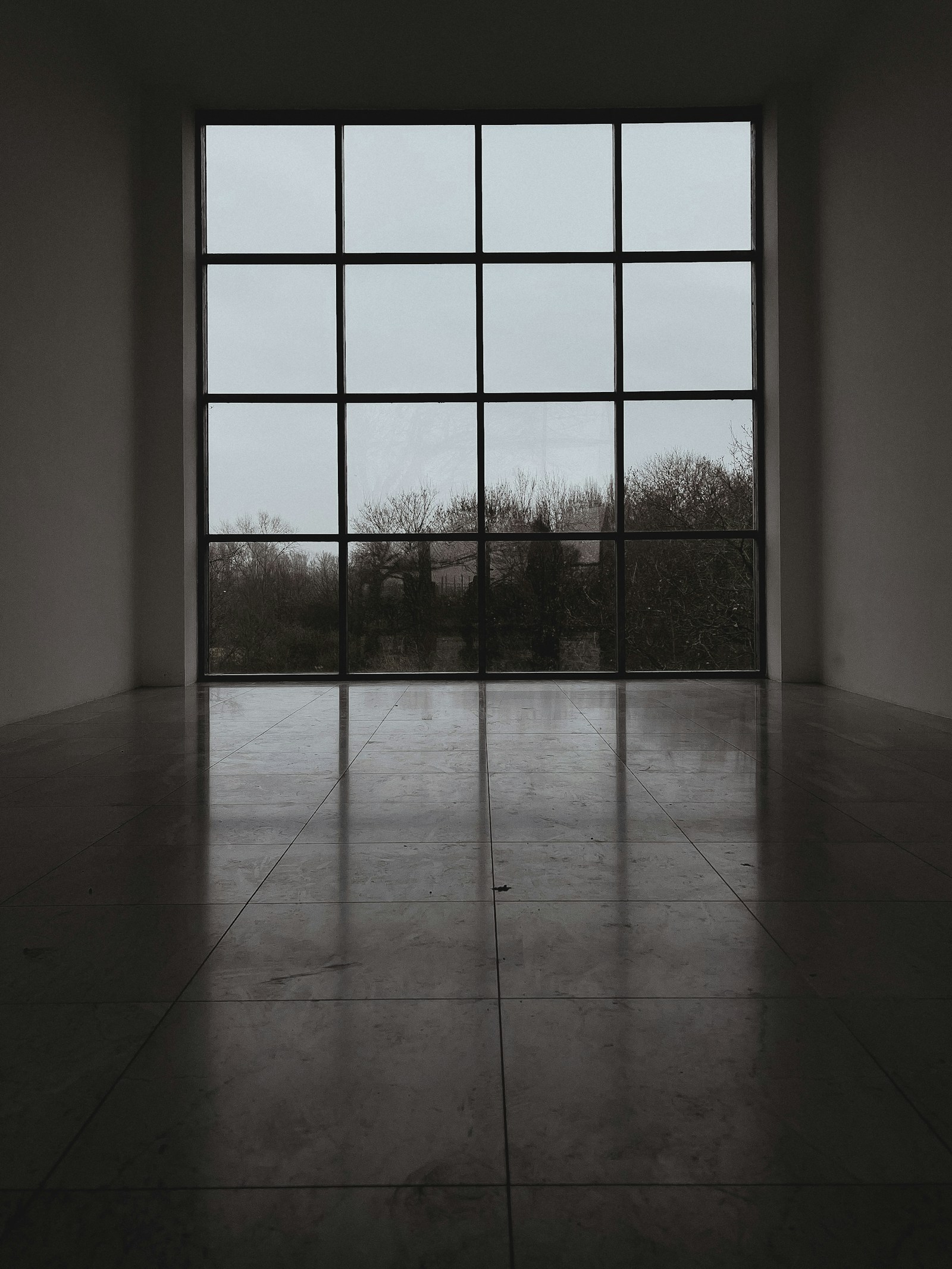 Before
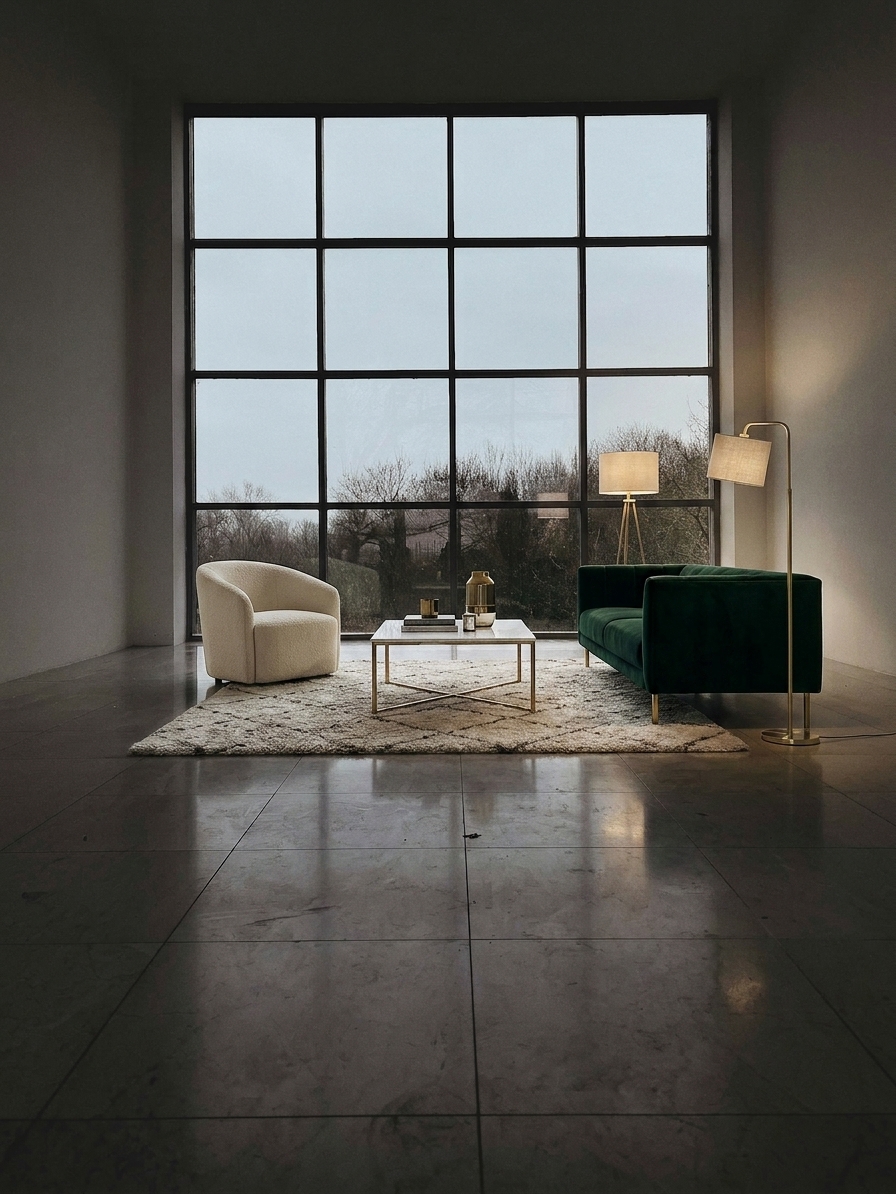 After
After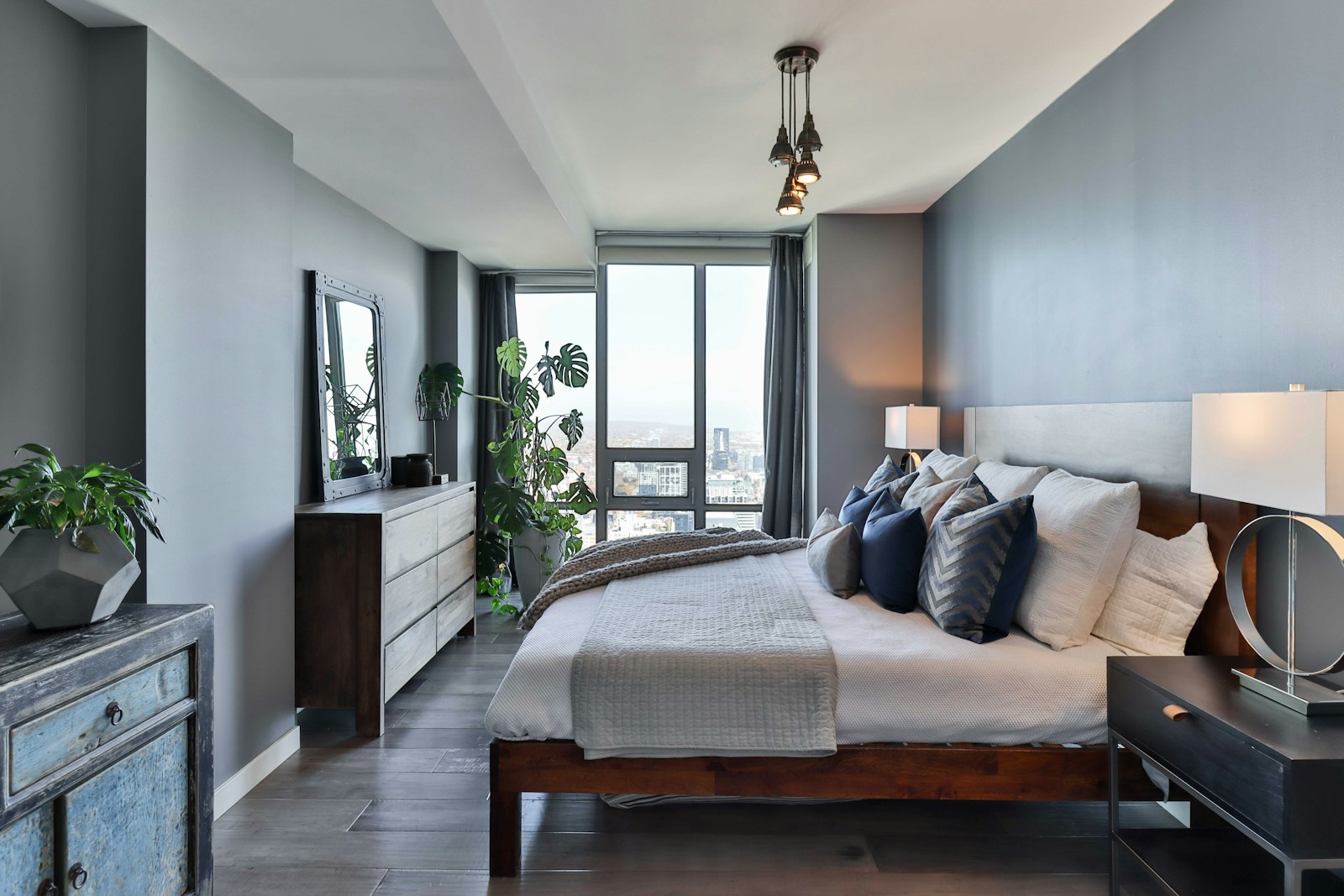 Before
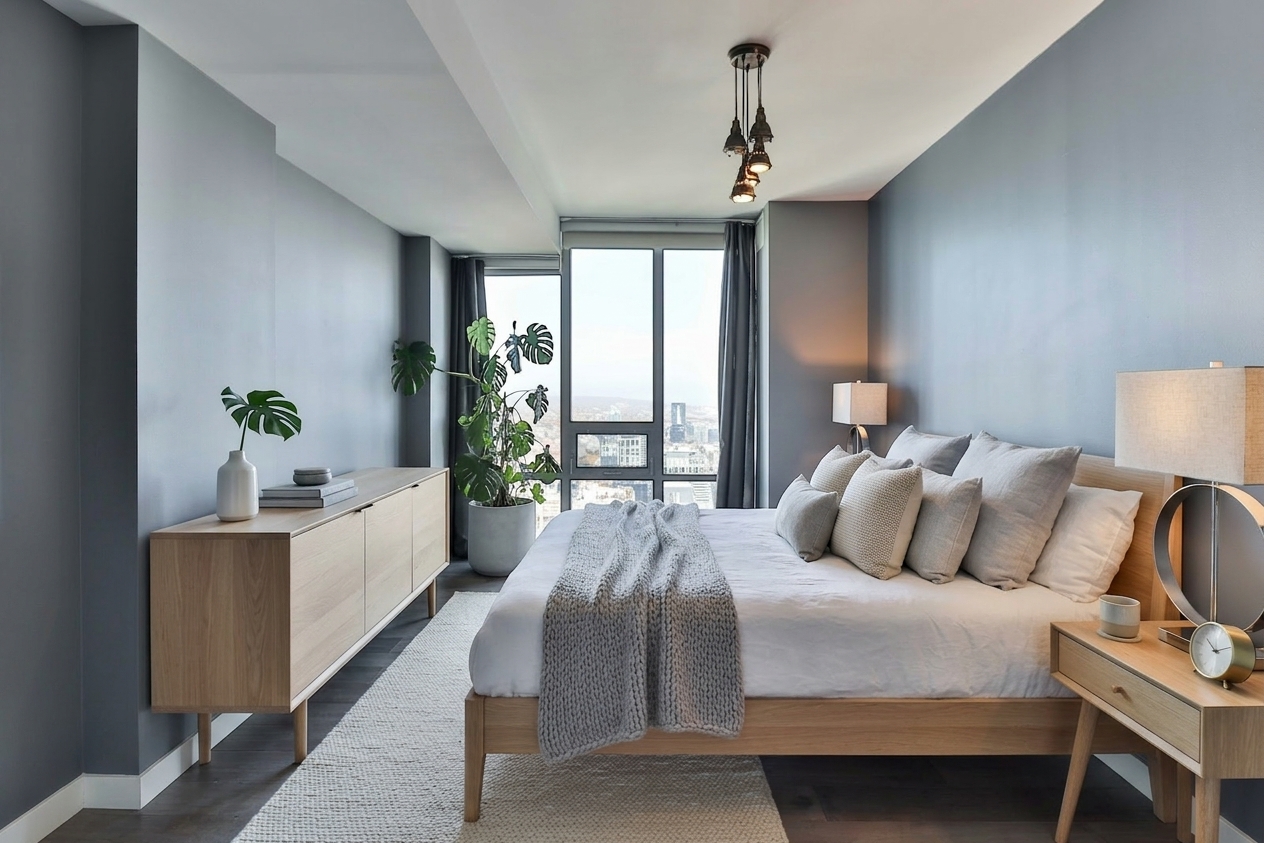 After
After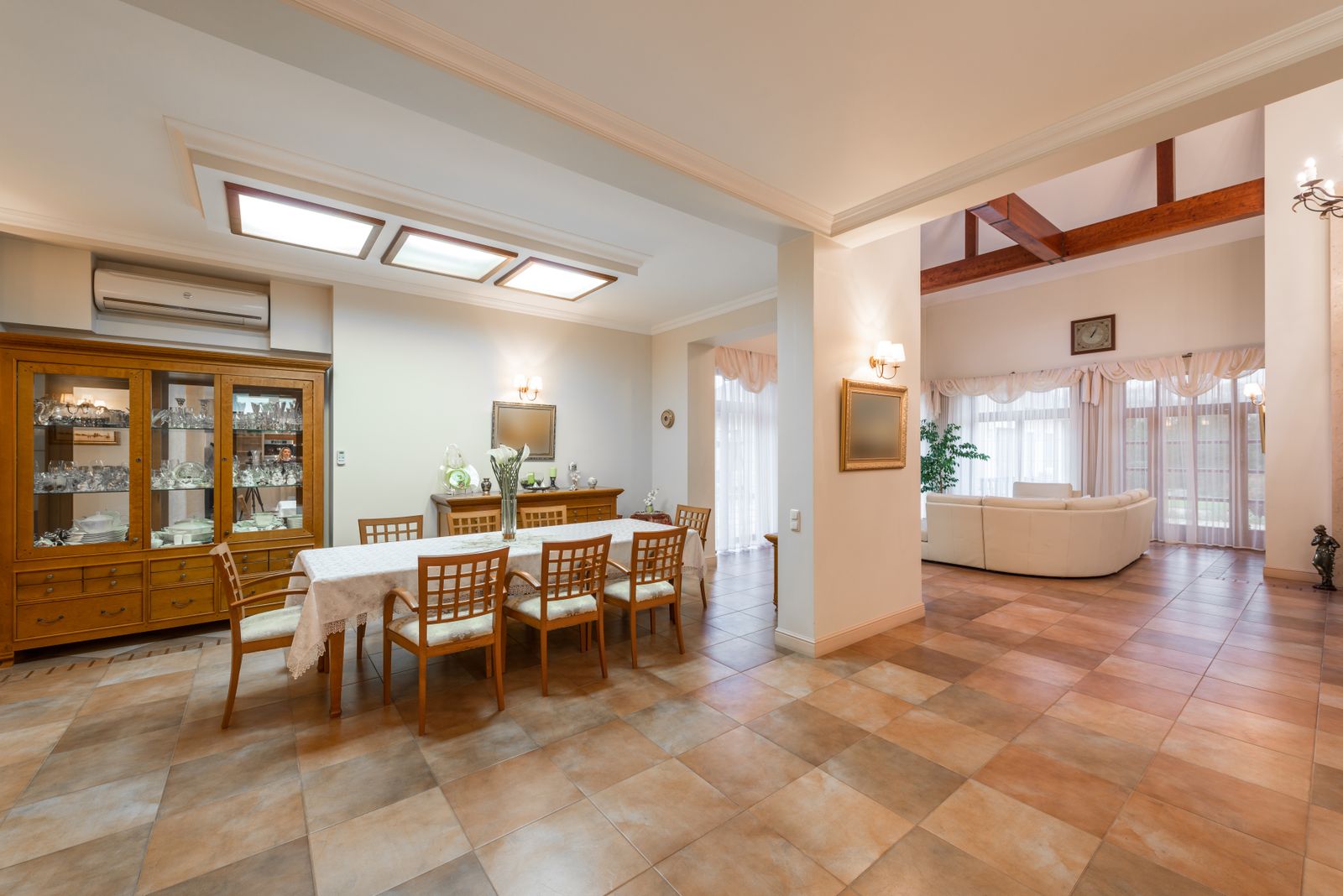 Before
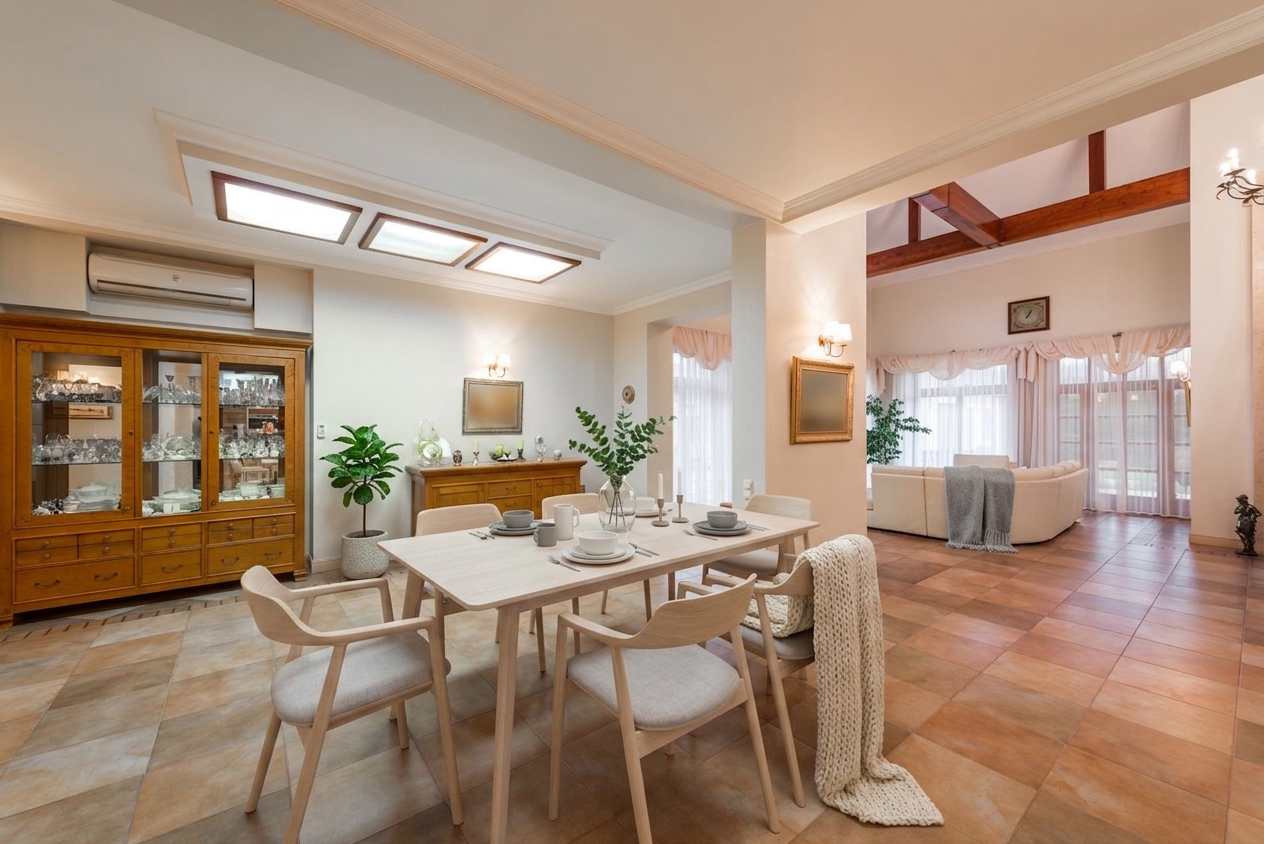 After
AfterWhat to look for in a good virtual staging render
Unchanged architecture
Walls, windows, doorways, ceiling height, flooring, and built-in fixtures should be pixel-identical to the original photo. If a render moves a window or changes the layout, it's not staging — it's misrepresenting the property, which is a real problem for MLS-bound photos.
Correct shadows and lighting
Added furniture should cast shadows consistent with the room's actual light sources. Furniture that looks "pasted in" with flat or mismatched lighting is the most common tell of a low-quality render.
Consistent style across the whole listing
A living room styled in mid-century modern and a bedroom two doors down styled in farmhouse rustic reads as sloppy to buyers, even if each individual render looks fine. This is one of the most commonly reported gaps in public reviews of AI staging tools that render each photo independently — which is why StageOnce locks one furniture collection across every photo in a listing.
A quality check against the original
The best safeguard against architecture drift isn't a human spot-check after the fact — it's a render pipeline that automatically compares each output against the original photo before delivering it. That's what StageOnce's built-in quality gate does on every render.
Try StageOnce free
6 watermarked renders a day, no signup required. See your own listing staged before you pay for anything.
Stage a photo freeFrequently asked questions
- How do I tell if a virtual staging render is good quality?
- Check that the architecture (walls, windows, ceiling, fixtures) exactly matches the original photo, that furniture shadows look physically consistent with the room's lighting, and that the style matches the rest of the listing's staged photos.
- Why do some AI staging renders look inconsistent across a listing?
- Many AI tools render each photo independently with no memory of previous rooms, so furniture style can drift from photo to photo. A style-lock feature that applies one furniture collection across the whole listing solves this.
- Can virtual staging accidentally change a room's architecture?
- Yes — this is a commonly reported issue with general-purpose AI image tools, which tend to regenerate the whole scene rather than edit it. Purpose-built staging tools should include a quality check that verifies architecture stays unchanged.
- Where can I see real StageOnce examples?
- The before-and-after pairs on this page are real, unedited StageOnce renders from our evaluation set. The fastest way to judge quality for your own market is still the free tool — stage one of your own listing photos.
- Should I show buyers the original unstaged photo too?
- Several MLS boards require it (see our MLS disclosure guide), and it's good practice regardless — pairing the original with the staged version builds trust and meets disclosure requirements in most markets.